The NHS has launched a new pilot program combining artificial intelligence (AI) and robotic technology to diagnose lung cancer faster and more accurately, aiming to reduce invasive testing and tackle inequalities in care.
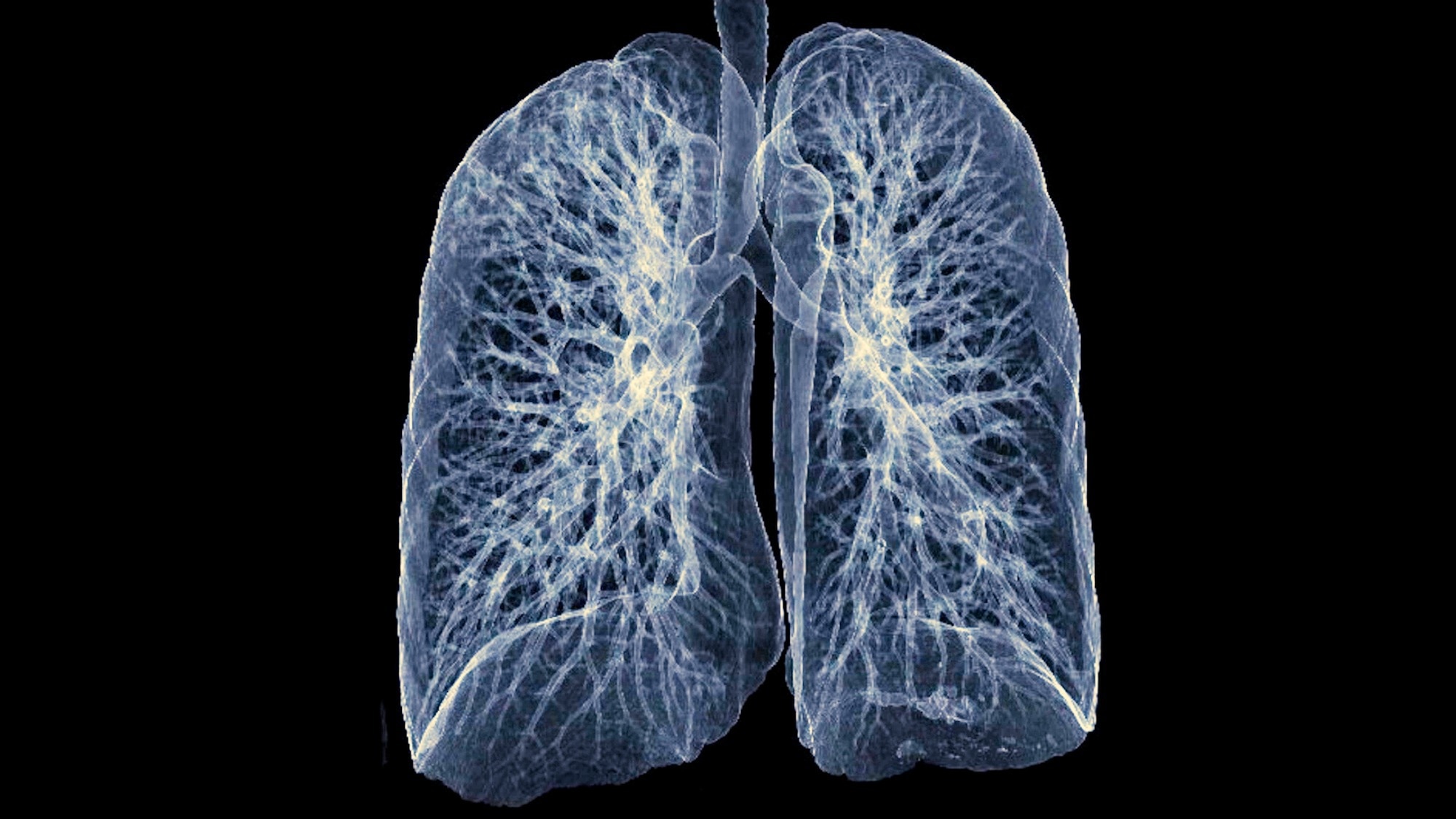
Image Credit: Radiological imaging/Shutterstock.com
The innovative approach uses AI software to quickly analyze lung scans, identifying small nodules most likely to be cancerous. A robotic camera then guides biopsy tools deep into the lungs with enhanced precision, improving access to hard-to-reach areas.
This pilot is running alongside an expansion of the NHS’s national lung cancer screening program. The goal is to invite all eligible individuals for screening within five years, regardless of location - a move designed to address the life expectancy gap caused by disparities in cancer outcomes.
Lung cancer accounts for a full year of the nine-year life expectancy gap between the most and least affluent areas in England. By accelerating detection and intervention, the National Cancer Plan aims to reduce that divide.
The robot-assisted biopsy system can access lung nodules as small as 6 mm (about the size of a grain of rice) that are typically difficult or risky to reach using current methods. After AI highlights suspicious areas, doctors collect targeted tissue samples to be analyzed by specialist cancer teams.
This process could replace weeks of follow-up scans and procedures with a single 30-minute biopsy. This will help to ease patient anxiety and reduce the need for more invasive surgery.
Professor Peter Johnson, NHS England’s National Clinical Director for Cancer, called the pilot at Guy's and St Thomas' NHS Foundation Trust “a glimpse of the future of cancer detection.”
Our lung cancer screening programme means that we are picking up more cancers at an early stage than ever, and by bringing AI and robotics together in this trailblazing NHS pilot, we’re bringing in the very latest technology to give clinicians a clearer look inside the lungs and support faster, more accurate biopsies.
This is a glimpse of the future of cancer detection. Innovation like this is exactly how we can help diagnose more cancers faster, so treatment can be most effective, and why the NHS continues to lead the way in bringing new technology safely into frontline care.
Professor Peter Johnson, NHS England’s National Clinical Director for Cancer
More than 1.5 million people have participated in an NHS lung health check since 2021, detecting thousands of early-stage cancers. As screening continues to scale up, with 1.4 million people set to be invited next year alone, the need for accurate, minimally invasive diagnostic tools like robotic bronchoscopy will grow.
The program aims to diagnose up to 50,000 cancers by 2035, with nearly half detected at an early stage, potentially saving thousands of lives.
David Lindsay, an IT contractor from Streatham, was one of the first to benefit from the pilot. After being referred for a suspected blood clot in his leg, an incidental scan revealed a small nodule in his lung. A robotic bronchoscopy quickly confirmed stage 1 lung cancer, which was removed through minimally invasive surgery.
The efficient staff scheduled me in for the bronchoscopy in the morning and I went home in the evening. It was quick and painless...
They clearly explained the findings and after a comprehensive discussion, it was agreed that removal of the cancer was the best option in this instance. The operation was a success.
The deep vein thrombosis was a blessing in disguise because if it hadn’t occurred, I wouldn’t have had the scan, and various tests, and they wouldn’t have seen the cancer. Who knows when I would have had another check-up, and the next time, the cancer may have reached stage 4.
I’m very grateful and appreciate the work that the NHS and wonderful staff do every day.
David Lindsay, an IT contractor from Streatham
Dr. Anne Rigg, Medical Director for Cancer and Surgery at Guy’s and St Thomas’ NHS Foundation Trust, emphasized the pilot’s patient-first design.
This pilot brings together artificial intelligence and robotic technology as genuinely disruptive tools to simplify and shorten the lung cancer diagnostic pathway. By combining AI-enabled risk stratification with highly precise robotic biopsy, we are reducing delays and unnecessary steps to diagnosis.
Crucially, this work is being co-designed with patients and frontline clinical teams, ensuring that the pathway is not only faster, but safer, more equitable, and centred on the patient experience. By improving access to advanced diagnostics we can help reduce variation in care for all patients, regardless of where they are referred from.
Together, these changes have the potential to support earlier diagnosis and treatment for more patients, which is fundamental to improving long-term outcomes in lung cancer.
Dr. Anne Rigg, Medical Director for Cancer and Surgery at Guy’s and St Thomas’ NHS Foundation Trust
The pilot builds on over 300 robotic biopsies already carried out, with more than 200 patients receiving timely treatment, while others were spared unnecessary procedures.
The pilot is expanding to King’s College Hospital NHS Foundation Trust and Lewisham and Greenwich NHS Trust, with funding from the NHS Cancer Program's Innovation Open Call. It’s the first initiative to integrate Optellum’s AI-based Virtual Nodule Clinic with Intuitive’s Ion robotic bronchoscopy system in a complete diagnostic pathway.
Health and Social Care Secretary Wes Streeting shared his personal connection to the technology, having undergone robotic surgery during his own cancer treatment.
“Lung cancer is one of the biggest killers in the UK, taking an extra year of people’s lives in the poorest parts of the country. This pilot will help to catch it earlier, replacing weeks of invasive testing with a single targeted procedure. For patients waiting anxiously for answers, this speed and precision can be life-changing."
Technology Secretary Liz Kendall echoed that sentiment, calling the pilot an example of how the UK can lead in deploying emerging technologies to improve patient outcomes.
Dr. Jesme Fox of the Roy Castle Lung Cancer Foundation added to the conversation too:
Lung cancer, for many, remains a devastating disease. These initiatives mean that more people affected by this disease, will be picked up earlier, be diagnosed faster and so have a better outcome from treatment.
We are delighted that the 2030 timeline for the full roll out of the Lung Cancer Screening Programme in England, has been reaffirmed. Screening for people at high risk of lung cancer, with low dose CT chest scans, works. The Program has already saved thousands of lives, by picking up lung cancer in the early stage, when curative treatment is possible.
So, if you receive an invitation to take part in the Lung Cancer Screening Programme, do not ignore it.
If the pilot proves successful, it will provide the evidence needed to develop a national policy for robotic bronchoscopy across the NHS, ensuring more equitable access to this cutting-edge diagnostic method.