Increasing demands for the utmost productivity and quality have led to widespread use of robots across a range of production environments. Consumers are demanding greater levels of personalization across many sectors; however, this requires current manufacturing processes to be more agile to accommodate a lower-volume, higher-mix scenario.
Automatic tool changer systems are now an important part of many robot and automated solutions, proving key to maintaining flexibility to meet consumer demands.
Automated tool changer systems enable the robot to select and exchange tools as required, accommodating the task or operation to be performed.
It is clear that integrating automatic tool changer systems into robot production cells offers considerable benefits in terms of flexibility, but many other factors must be considered to understand how today’s automatic tool changer technology impacts overall system performance, efficiency, and safety.
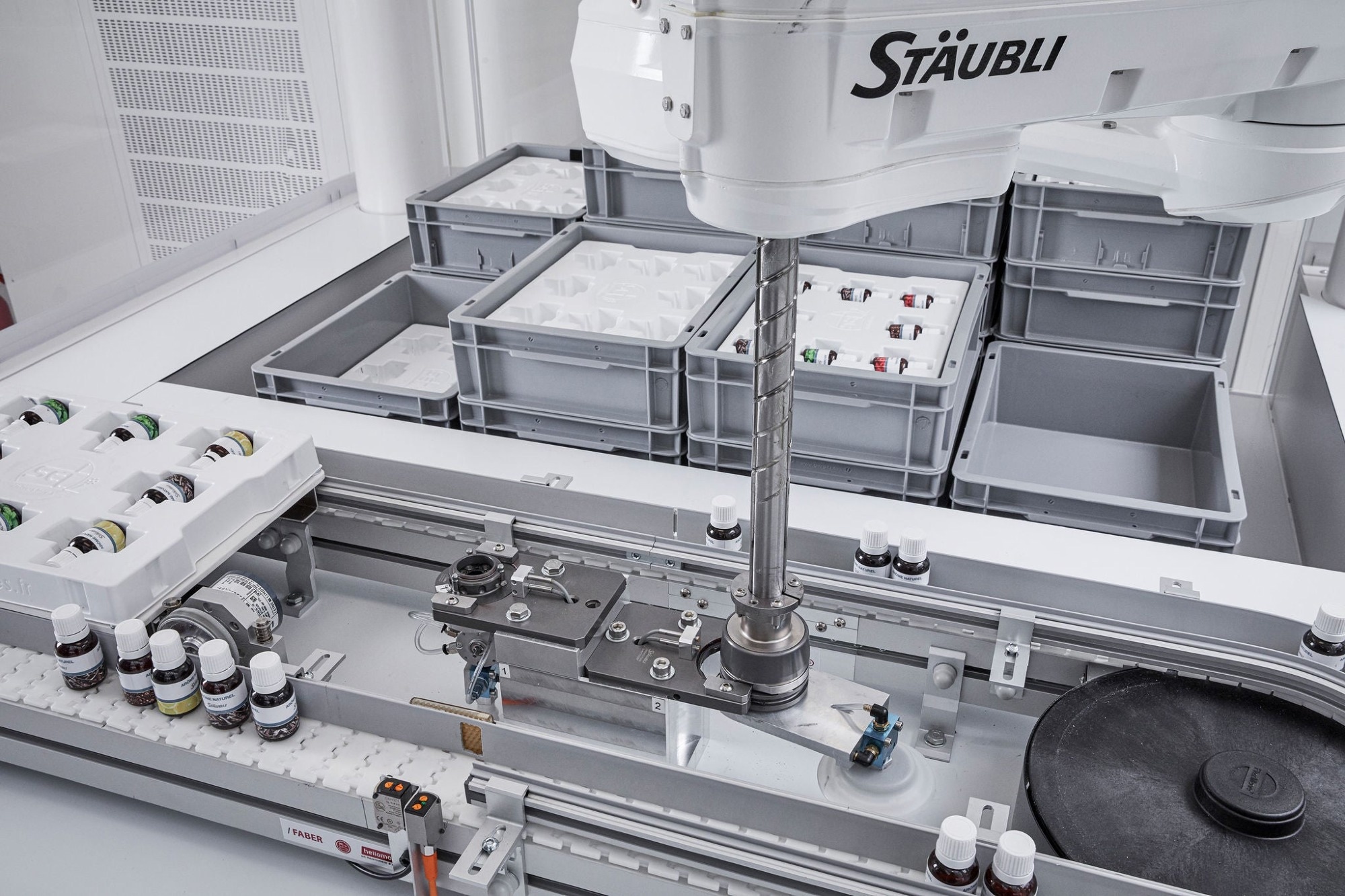
Image Credit: Stäubli Robotics
Optimizing Robot Performance and Minimizing Failure Risk
Without an automatic tool changer, reconfiguring the robot for a new task can often result in extended downtime. There is also added uncertainty about whether the operator who completed the changeover correctly performed all required tasks.
Failure to perform a proper changeover can result in damage to the system, incurring additional costs to repair or replace damaged items, as well as a significant period of unplanned downtime.
Manufacturers must continually work to achieve the highest OEE (Overall Equipment Effectiveness). Any unplanned downtime over and above that associated with the initial manual tool change, for example, due to equipment damage, will be considerably more expensive in terms of lost production.
An automated robot tool changer system has the potential to make a valuable contribution to maintaining optimal levels of OEE.
This technology allows tool changing to become part of the robot cell’s normal functionality, allowing the initiation of changes as required and as part of production scheduling, or from within the robot program. Automated tool changes can be completed in seconds, unlike manual tool changes, which can be a long process.
The robot will also select the correct end effector from the tool docking station, and critically, it will also secure the connection of the end effector itself with any energy circuits guaranteed.
Other benefits of an automated tool changer system include operators no longer having to enter the robot cell to manually perform the task. This improves operator ergonomics and safety while also removing the need to source hand tools to complete a manual changeover.
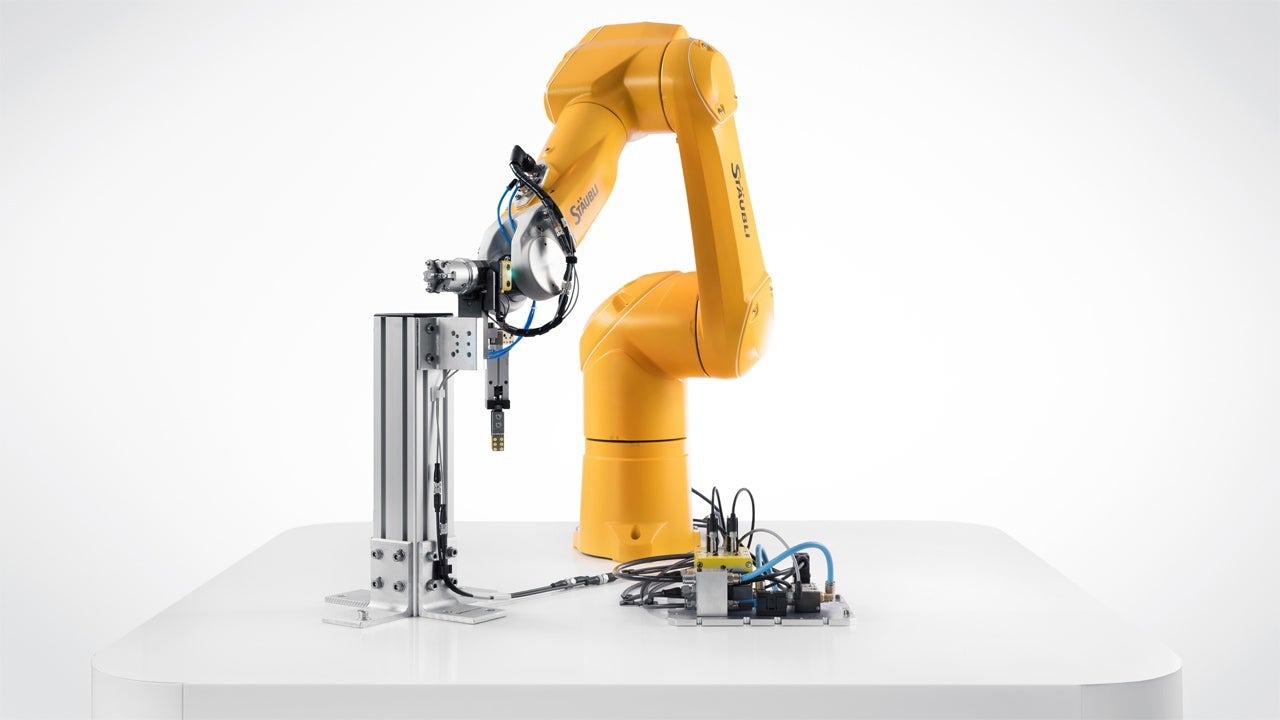
Image Credit: Stäubli Robotics
Improved Flexibility with Reduced Capital Outlay
Current product lifecycles are typically far shorter as manufacturers compete to provide their customers with the latest generation of products as quickly as possible. This has led to a growing demand for highly flexible manufacturing solutions able to keep pace with continually changing demands from the market.
Many manufacturers make use of robots within their production systems to leverage the natural flexibility provided by these systems. Robots must be able to adapt to different tasks, processes, and product variants in order to maximize their capabilities.
The integration of automated robot tool changing technology within the robot cell delivers ultimate flexibility, with these solutions allowing robots to effectively operate with a batch size of one where necessary, while maximizing robot optimization levels through their ability to adapt to the tasks required at any time.
The ability to provide an agile response to changing customer demands, particularly when compared to traditional and more dedicated production methods, also offers manufacturers a competitive advantage. This advantage is key to improving customer and supplier relationships.
The flexibility inherent to this type of production solution means that any initial capital investment is also relatively future-proofed.
Complying With Safety Regulations
Robotic tool changer systems used in production are required to withstand dynamic loadings resulting from routine robot movement during normal day-to-day operation.
These dynamic loads can range from 5 Nm for small robots to as much as 40,000 Nm for the highest payload robots, depending upon the specific robot model and its payload capabilities. These robots must also operate in a fail-safe fashion without disconnecting in the event of an emergency stop situation or the loss of air or electrical energy.
Loss of the robot tool must also be prevented, particularly in cases where this release would lead to a hazardous situation. Safety systems must be in place in order to ensure that it is only possible to release or exchange the robot tool at predetermined safe locations and when a number of preconditions are met.
It is also important that safety requirements comply with ISO 10218-2, Robots and robotic devices, where Part 2 covers robot system peripherals and integration.
Adhering to these safety requirements ensures the comprehensiveness of safety systems relating to automatic robot tool changers, with systems requiring that multiple predefined and redundant conditions be met before the release of the end effector.
These systems must also ensure that an operator is unable to override the safety circuitry. Safety features for different robot tool changer systems and types tend to vary somewhat, but all these features must comply with the standard.
The most comprehensive systems only allow the tool change process to take place if the robot is positioned at the docking station. This ensures that built-in sensors are accurately read.
From the perspective of a control system, meeting these safety requirements requires understanding and compliance with different standards, including Category 3 and Performance Level D.
Table 2. Performance levels (PL). Source: Stäubli Robotics
| PL |
Average probability of dangerous failure per hour (PFHD) 1/h |
| a |
≥ 10–5 to < 10–4 |
| b |
≥ 3 x 10⁻⁶ to < 10–5 |
| c |
≥ 10–6 to < 3 x 10⁻⁶ |
| d |
≥ 10–7 to < 10–6 |
| e |
≥ 10–8 to < 10–7 |
Category 3 refers to a design principle utilized by engineering teams, ensuring that machines are designed to check for faults while also maintaining redundant circuits for all safety functions.
Performance Level d is defined by ISO 13849 as a control system with a probability of dangerous failure per hour between 10-7 and 10-6. This equals the probability of one dangerous failure for every 1 million to 10 million hours of operation, meaning that a malfunction in any single given hour is virtually impossible.
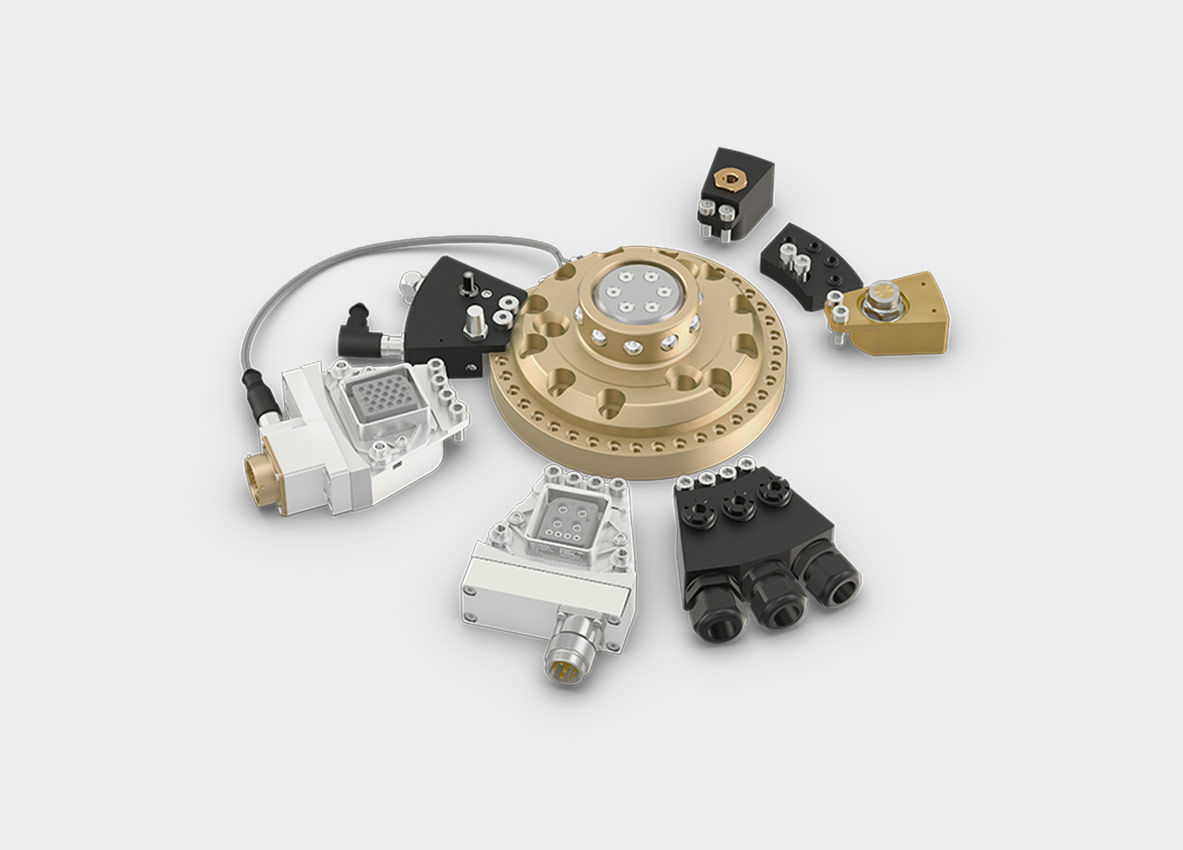
Image Credit: Stäubli Robotics
Safeguarding Productivity and OEE
Robots play a key role across a diverse array of manufacturing sectors and applications, meaning that robots and their automatic robot tool changer systems may be subjected to a wide range of environmental conditions.
This variety means that the robot tool changer system must demonstrate the highest levels of reliability, irrespective of the application or environment it is employed within.
High-quality and high-reliability products should exhibit a high MTBF (Mean Time Between Failures), which can be understood as the average time between two failures within the same item. MTBF is often considered alongside MTTR (Mean Time to Repair) and is one of the most important metrics when determining instrument availability and reliability. The higher the MTBF, the more reliable the unit.
MTTR (Mean Time to Repair) represents the time required to repair the system and return it to production readiness. This key consideration for automatic robot tool changer systems is designed to enable the quick and easy replacement of components. MTTR is central to the safeguarding of productivity and OEE targets.
Combining the extended MTBF and short MTTR characteristics of a high-quality automatic robot tool changer system with comprehensive safety procedures will considerably reduce the chance of mechanical failure, while ensuring that any failure or accident resulting from operator error or improper use of the system is minor.
Setting the Trend for Robotic Flexibility and Safety
Different aspects of automatic tool changer systems contribute to safety while safeguarding a range of different production and efficiency-related factors.
Automatic robotic tool changers:
- Ensure that tool change operations are completed rapidly, but only when it is safe to do so. This is key to protecting both equipment and operators.
- Optimize productivity and OEE by minimizing the time needed for tool change operations.
- Must adhere to the requirements of ISO 10218-2.
- Ensure and maintain safe operation across a wide range of dynamic loads and during high-speed robot cycles.
- Provide the utmost flexibility during the production of multiple part variants and processes.
- Safeguard the customer-supplier relationship by rapidly adapting and responding to changing demands and multiple product variants, while continuing to maintain high productivity levels.
Minimizing Total Cost of Ownership
Beyond considering the cost to purchase an automatic robotic tool changer, it is also important to consider the total cost of ownership. This can be understood as the overall cost of the unit across the product’s entire lifecycle.
Total cost of ownership includes factors such as ongoing operational costs, anticipated lifecycle, training costs, maintenance and spare parts costs, and the eventual cost of replacement.
It is possible to minimize the total cost of ownership by purchasing a high-quality system at the outset. This will help mitigate the need for unexpected maintenance and the cost of replacement parts resulting from premature failure.
Should items be prone to failure, there is also an additional cost to consider in maintaining a stock of spare parts to enable rapid remedial maintenance when required.
The most significant potential impact on a system’s total cost of ownership is lost production as a result of downtime due to product failure. Because of this, purchasing the least expensive product can potentially be the most expensive solution.
Robotic tool changer systems MPS for all robots
Video Credit: Stäubli Robotics
The Stäubli Tool Changing System
Performance
The Stäubli tool changing system is recognized worldwide as a leader in the automation space, with Stäubli itself regarded as a pioneering organization in the development of robotic tool changing systems.
Its robotic tool changers have been developed based upon many years’ experience across various sectors, with each designed to increase productivity and OEE for all robots available in the market today, in payload categories from 10 kg to 2500 kg.
Reliability
Stäubli’s current-generation systems offer a range of modules for pneumatic, vacuum, signal, RFID tool coding, shielding, earthing, data transmission up to 10 GB per second, and data storage. Their ability to combine such a wide range of different technologies and modules means that a solution can be configured for the widest possible range of applications.
Quality
As well as offering the highest levels of flexibility and connectivity, Stäubli’s robotic tool changers are made from the highest quality materials, leveraging state-of-the-art precision production technologies designed to guarantee reliable operation over an extended lifecycle while also minimizing their total cost of ownership.
Safety
Safety is embedded within Stäubli’s DNA, meaning it is also incorporated within all aspects of the company’s product portfolio. Its range of robotic tool changers is also compliant with ISO 10218-2.
When integrated as part of a robot production cell, these robotic tool changers use a combination of control, software, and mechanical features designed to embody safety redundancy. This approach ensures that it is only possible to release the robot tool at the right time and in the correct location.
Because the air required to operate the tool-changer locking and unlocking system is delivered directly from the docking station itself, Stäubli’s innovative safety system ensures that the tool change process can only occur if the robot is positioned at the docking station. If the robot is not in position and the relevant signal(s) are not received, it is, therefore, impossible to engage the unlocking and disconnection processes.
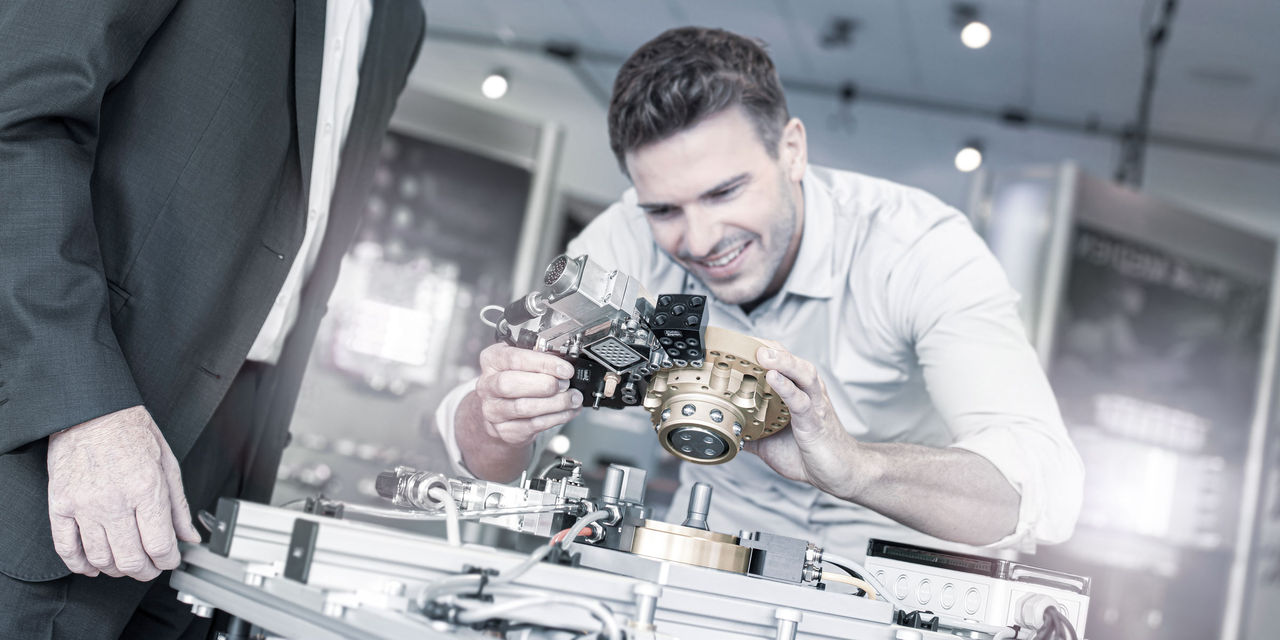
Image Credit: Stäubli Robotics
This configuration removes the risk of unintended tool release as a result of a control system failure. Operators or robot programmers utilizing the teach pendant are also prevented from triggering the release of the tool when the robot is away from the tool station.
Operator safety is paramount, but the safety systems embedded in these tool changer systems can also considerably reduce the risks of damage to production systems. This is an important consideration because the cost of these failures in terms of loss of production and the replacement of damaged items is often considerable.
Acknowledgments
Produced from materials originally authored by Staubli Corporation.

This information has been sourced, reviewed and adapted from materials provided by Stäubli Robotics.
For more information on this source, please visit Stäubli Robotics.